AI &RoboticsLab.
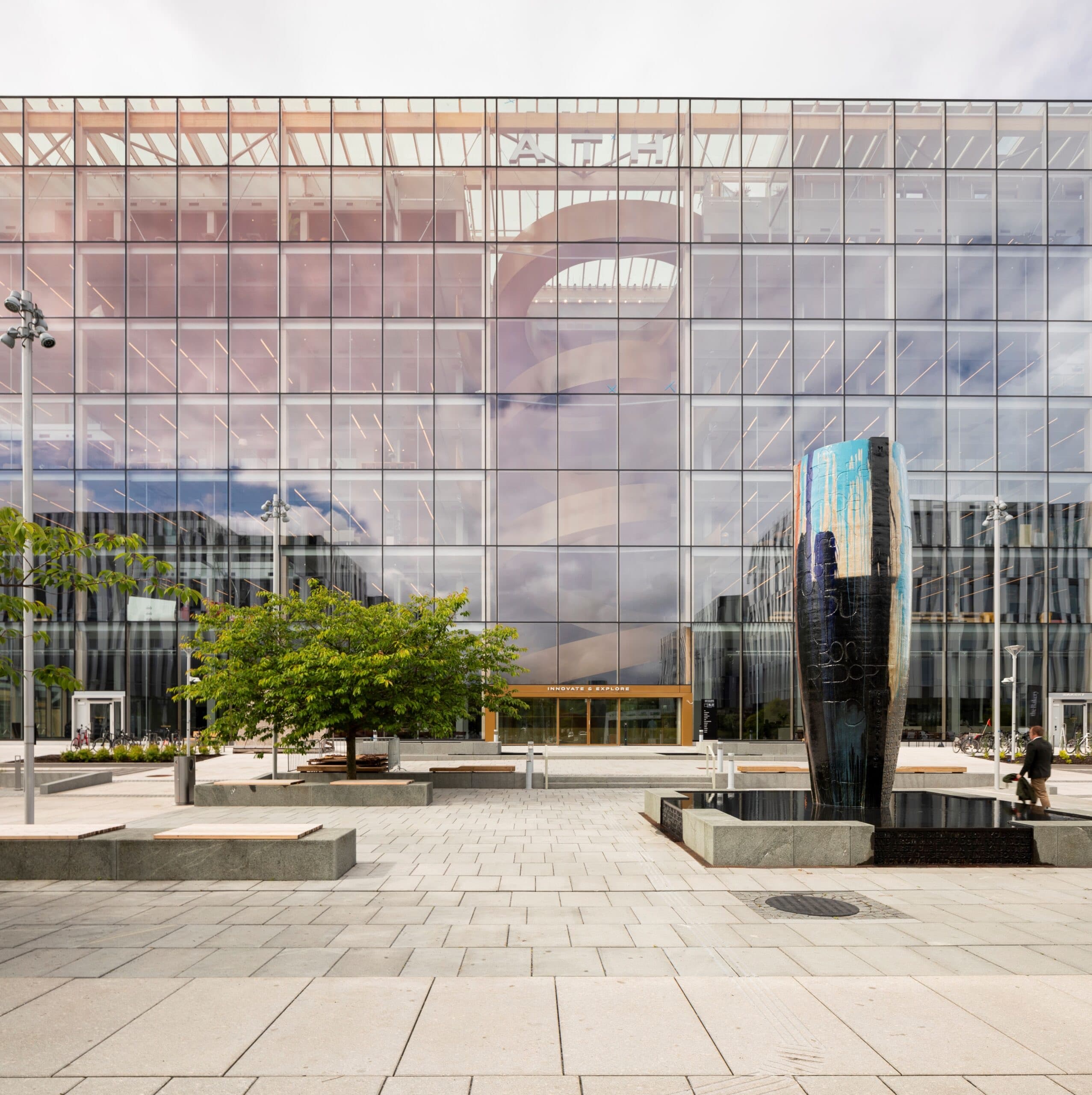
Cohort 01  /  Jun–Dec 2026  /  Aker Tech House, Fornebu

Build, test and pilot industrial AI, autonomy and robotics with real companies, real data and real operating environments.

Inside the Lab

Built where industry
actually runs.

01

Real industrial challenges, picked by partners.

Builders work on problems set by the people who own them, not on hypotheticals.

02

Real data, real sites, real operators.

Access to industrial data, plant context and the people who run the operations.

03

One real outcome at the end.

A signed pilot, a letter of intent, or an evidence-based no-go. Nothing in between.

Why AI and Robotics

Industrial AI is moving from screens to systems.

The next wave of industrial competitiveness will come from companies that connect digital intelligence with physical execution: robotics, autonomy, drones, machine vision, sensing and edge.

01

AI that predicts failures before downtime happens

02

Drones and robots that inspect places people should not have to enter

03

Autonomy that helps machines, vessels and assets operate safer and smarter

04

Edge AI and sensor systems that work in real industrial environments

05

Decision support embedded into operator workflows, not left in a dashboard

06

Physical AI that learns from simulation, sensor data and real-world feedback loops

Who it is for

Built for builders. Backed by industry.

For Builders

You build. We bring the industrial pull.

Technical founders, student ventures and early-stage startups in industrial AI, robotics, autonomy or edge. You get real challenges, domain experts, relevant data and a structured path to pilot.

For Industry Partners

You have the problems. We bring the builders.

Industrial companies that want a faster way to explore, validate and pilot AI, autonomy and robotics. You define challenges, provide data or site context, and join structured decision gates.

Become an Industry Partner

Industry Partners

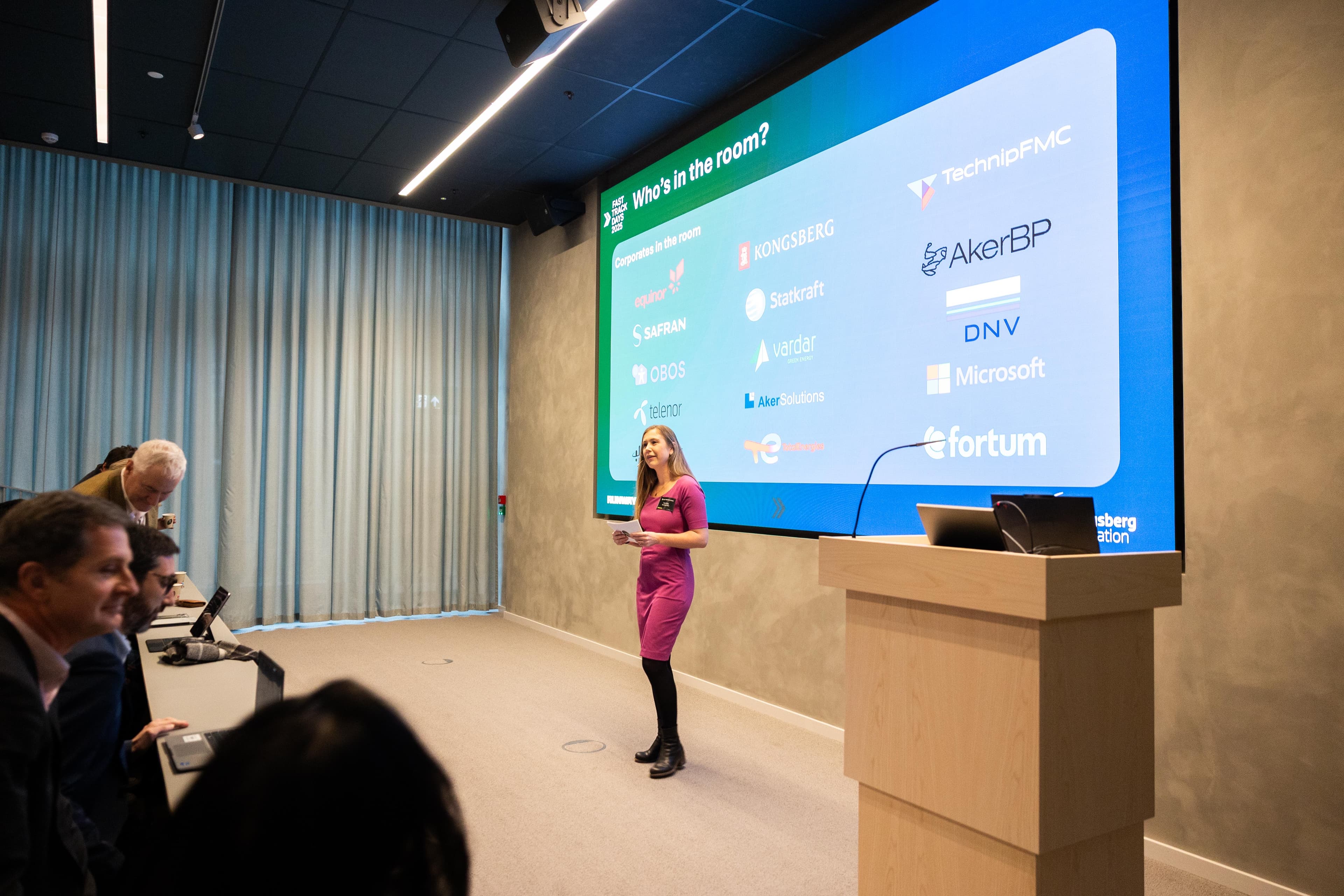
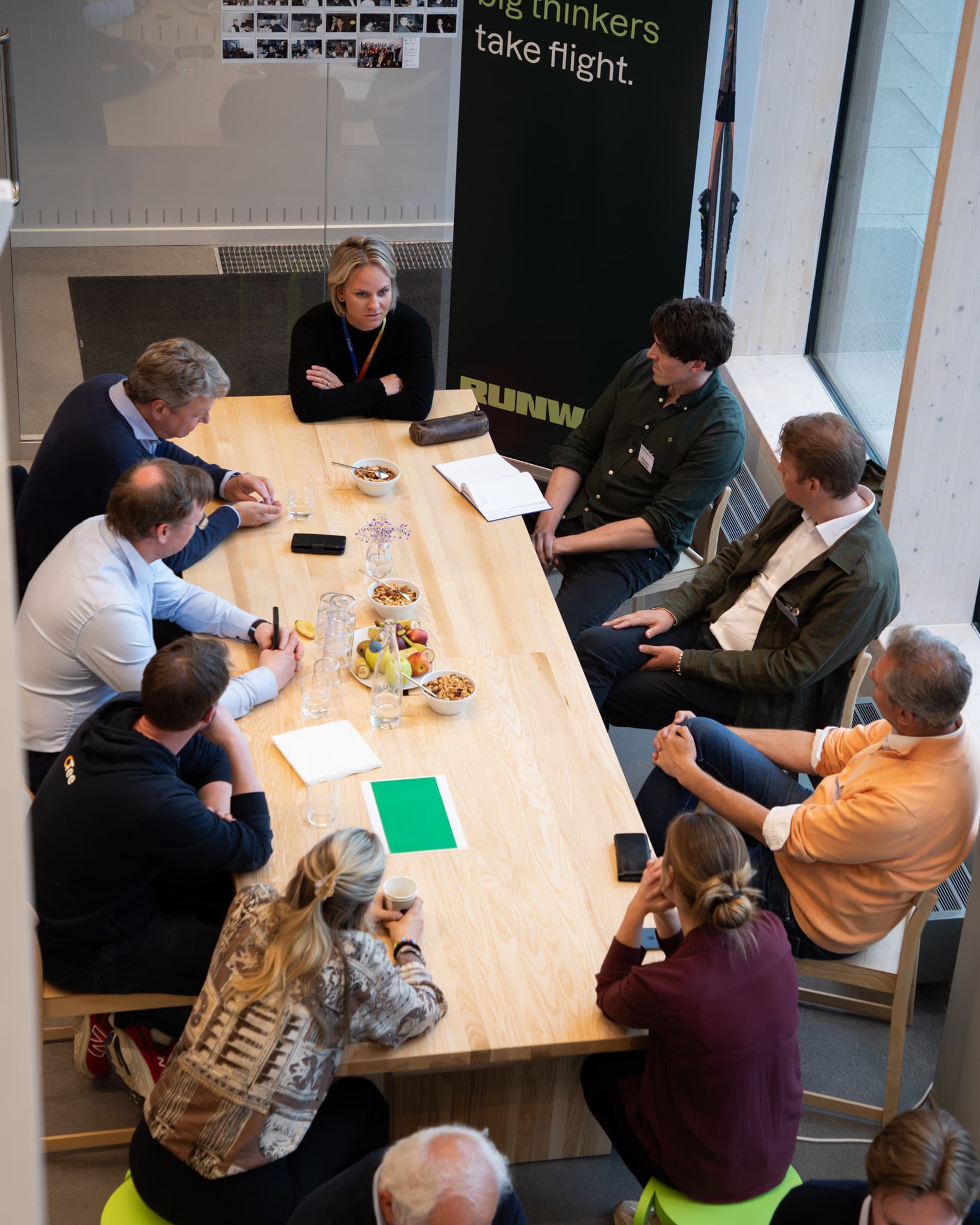
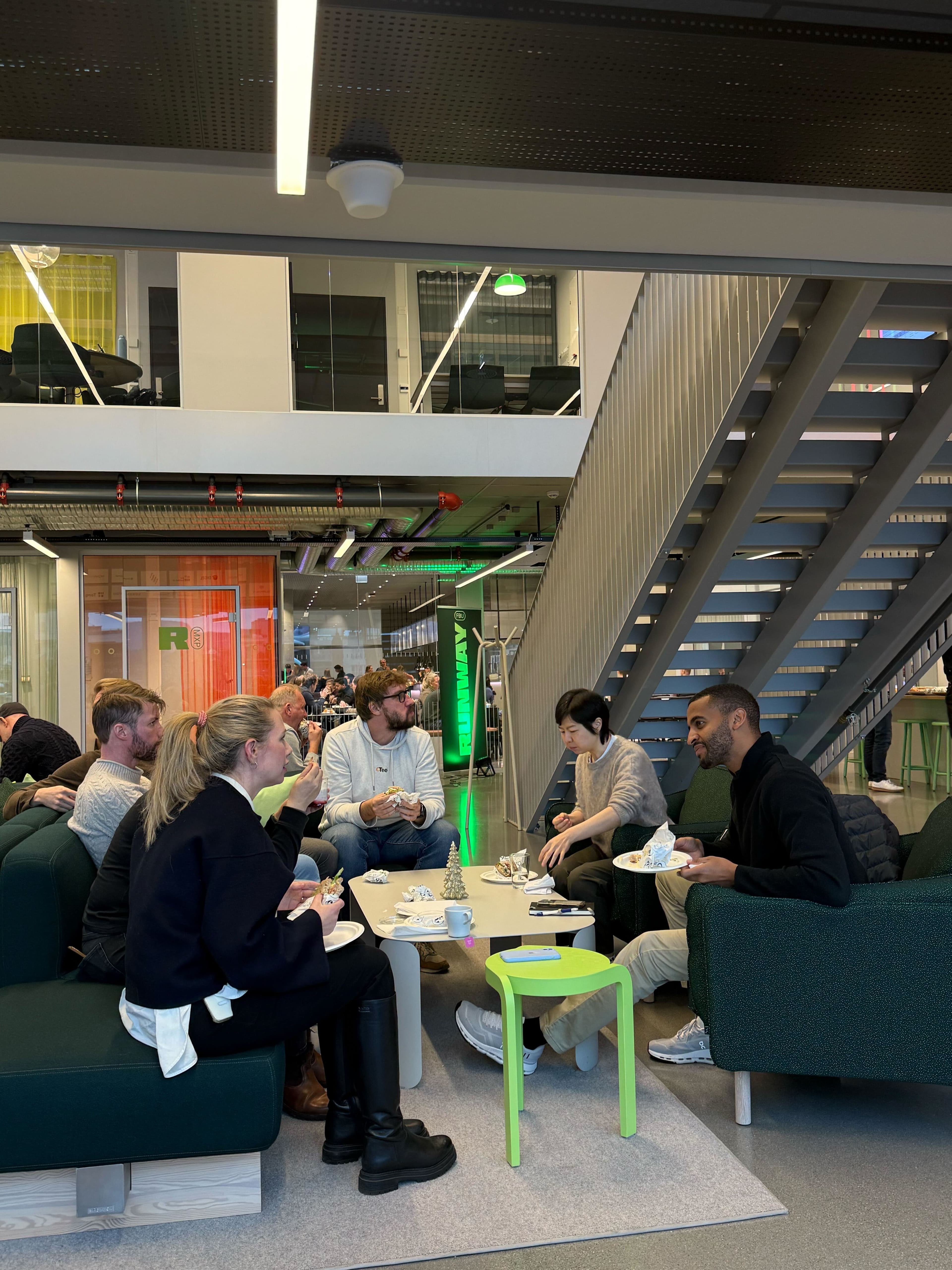
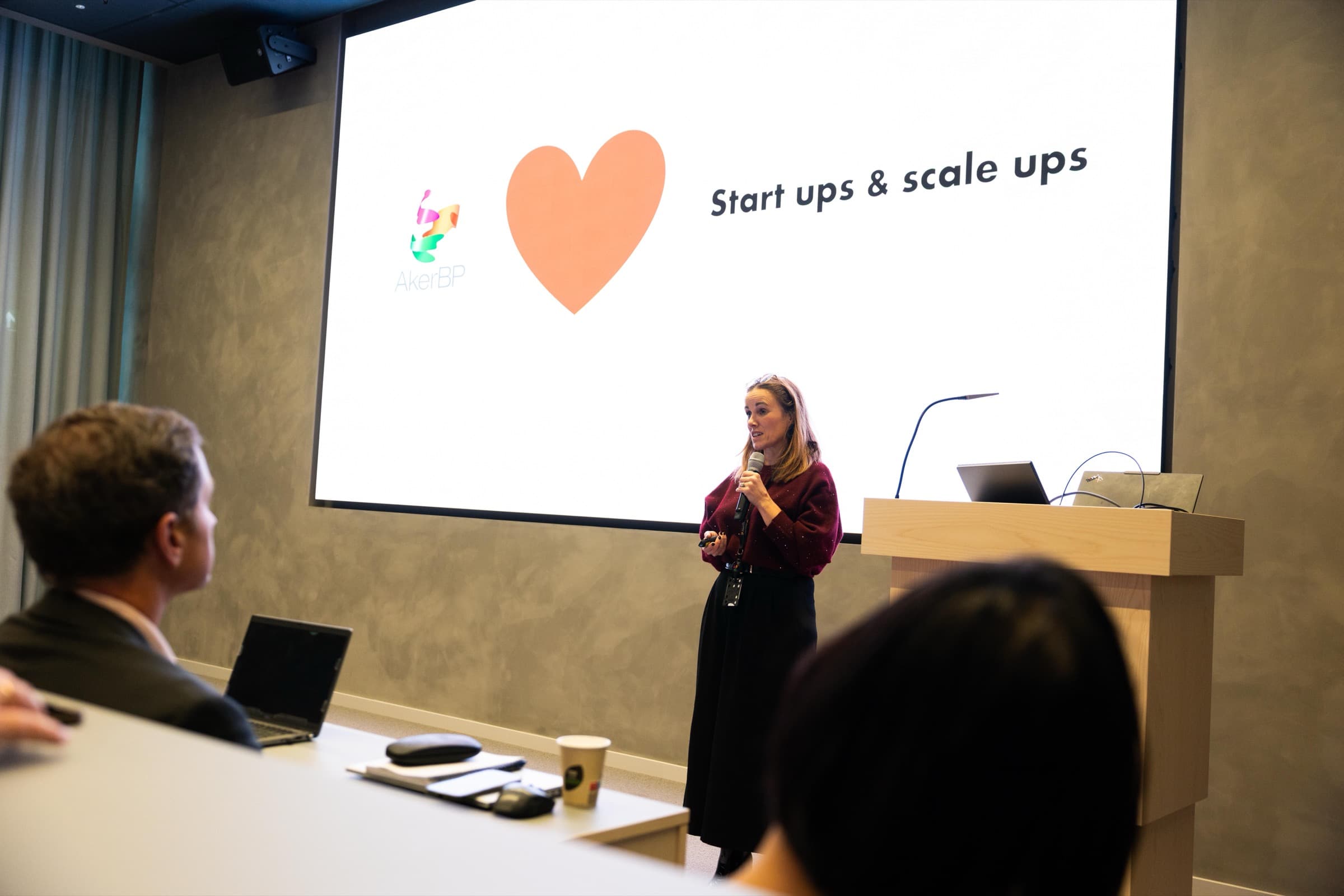
Industry and Partners in the room.

HUB Ocean
Become an Industry Partner

In the Lab

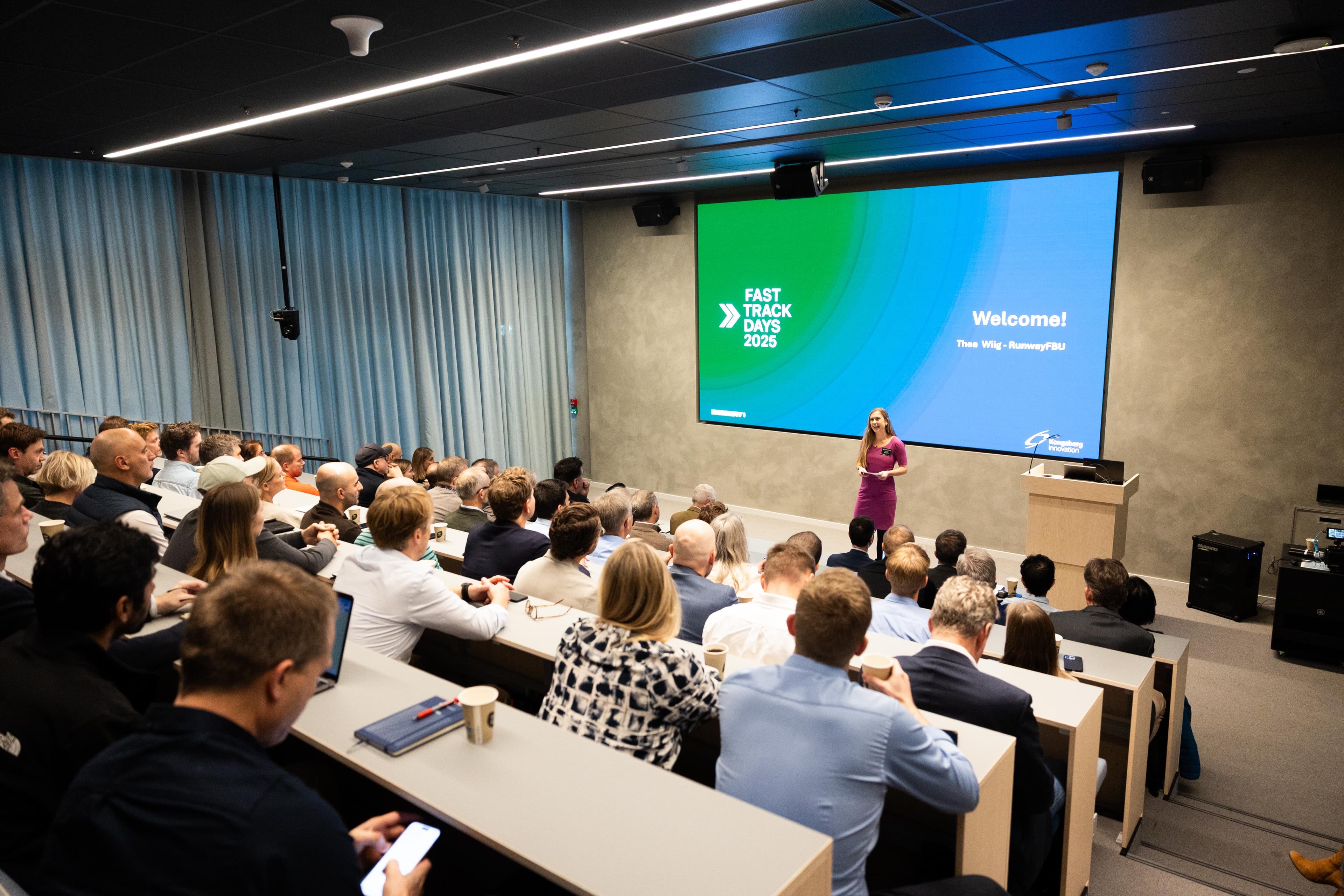
Inside the Lab. Inside industry.
What fits

What belongs in the Lab.

Solutions that can be validated against a real industrial challenge within 6 months.

Good fits

  • AI software with clear industrial workflow integration
  • Robotics or drone systems testable in a bounded environment
  • Autonomy software for existing machines, vessels, drones or robots
  • Sensor, inspection or edge systems connected to physical assets
  • Machine vision for quality, safety, monitoring or inspection
  • Data infrastructure that makes AI or robotics deployable

Not a fit

  • Pure idea-stage teams without a technical owner
  • Long-horizon hardware R&D with no realistic pilot path
  • General-purpose humanoid robotics with no bounded use case
  • Standalone dashboards or copilots with no operational owner
  • Consulting projects without a product or venture path
Challenge themes

The problems worth solving.

Working in a different area? Apply anyway. The right challenge doesn't need a category.

Predict failures before they escalate, inspect assets more safely, and turn operational data into better maintenance decisions.

Typical problems

  • Predictive maintenance for critical assets
  • Autonomous or assisted inspection of pipes, tanks and confined spaces
  • Drone or robot-enabled visual inspection
  • Anomaly detection with root-cause analysis
  • Work order prioritization and maintenance planning

Typical technologies

AI models, sensor fusion, robotics, drones, machine vision, time-series analytics, edge devices, CMMS integration.

Pilot outcome

A validated inspection, monitoring or maintenance workflow with measurable impact on downtime, safety, cost or decision speed.

Reduce energy use and emissions without compromising throughput, safety or product quality.

Typical problems

  • Energy-aware production planning
  • Setpoint optimization and process-control recommendations
  • Peak-demand and load scheduling
  • Heat, power and storage coordination
  • AI-assisted operational decarbonization

Typical technologies

Forecasting, constrained optimization, digital twins, control logic, edge AI, physics-informed models.

Pilot outcome

A measurable reduction in energy intensity, emissions or cost, with clear operating constraints and a scale path.

Automate repetitive industrial workflows and support operators with systems that can sense, decide and act safely.

Typical problems

  • Operator assist and next-best-action recommendations
  • Alarm triage and workflow automation
  • Robotic assistance in hazardous or repetitive tasks
  • Machine vision for quality inspection
  • Human-in-the-loop autonomy for industrial operations

Typical technologies

AI agents, workflow automation, robotics, cobots, computer vision, autonomy stacks, HMI/SCADA, safety monitoring.

Pilot outcome

A working automation or decision-support prototype embedded into a real workflow, with human oversight and measurable adoption.

Make AI and robotics deployable by solving the data, integration, monitoring and IT/OT problems that usually kill pilots.

Typical problems

  • Data contextualization across SCADA, CMMS, ERP and sensor systems
  • Edge deployment for constrained or remote environments
  • MLOps and model monitoring for industrial systems
  • Robotics telemetry, fleet data and operational dashboards
  • Security, access control and IT/OT segmentation

Typical technologies

Data pipelines, semantic layers, edge compute, MLOps, observability, APIs, cybersecurity, device management.

Pilot outcome

A tested deployment pattern that helps an industry partner move from prototype to production with lower risk.

Use AI, autonomy, drones, sensors and robotics to improve operations in maritime, offshore, aquaculture and remote environments, and to monitor, protect and restore ocean ecosystems at scale.

Typical problems

  • Vessel, port and logistics optimization, including routing around marine protected areas and migratory corridors
  • Offshore, subsea and marine asset inspection
  • Aquaculture monitoring and operation-readiness scoring
  • Ocean monitoring and restoration at scale — coral, kelp, seagrass and protected-area management
  • Nature impact measurement and sustainability reporting (CSRD, TNFD)

Typical technologies

Drones, ROVs, AUVs, USVs, sensor networks, passive acoustic monitoring, computer vision, ocean data, vessel telemetry, remote sensing, autonomy, forecasting.

Pilot outcome

A decision-ready tool, inspection workflow or autonomy-enabled system that improves safety, efficiency, operational readiness or environmental compliance.

The program

6 months. One real outcome.

M0

Selection and Matching

Teams selected and matched with relevant industrial challenges, mentors and partner owners.

M1

Problem Framing and Pilot Scope

Turn a broad industrial problem into a measurable use case, with clear ROI logic, data needs and safety constraints.

M2–3

Build and Technical Validation

Build the model, system, prototype or integration. Validate against real data or a bounded test environment.

M4

Field Readiness and Integration

Workflow integration, edge setup, safety checks, user feedback and deployment planning.

M5

Pilot Packaging and Commercial Path

Convert technical progress into a pilot package: scope, success metrics, pricing, responsibilities, next-step decision.

M6 — Demo & Decision

Fast Track Days and Partner Decision.

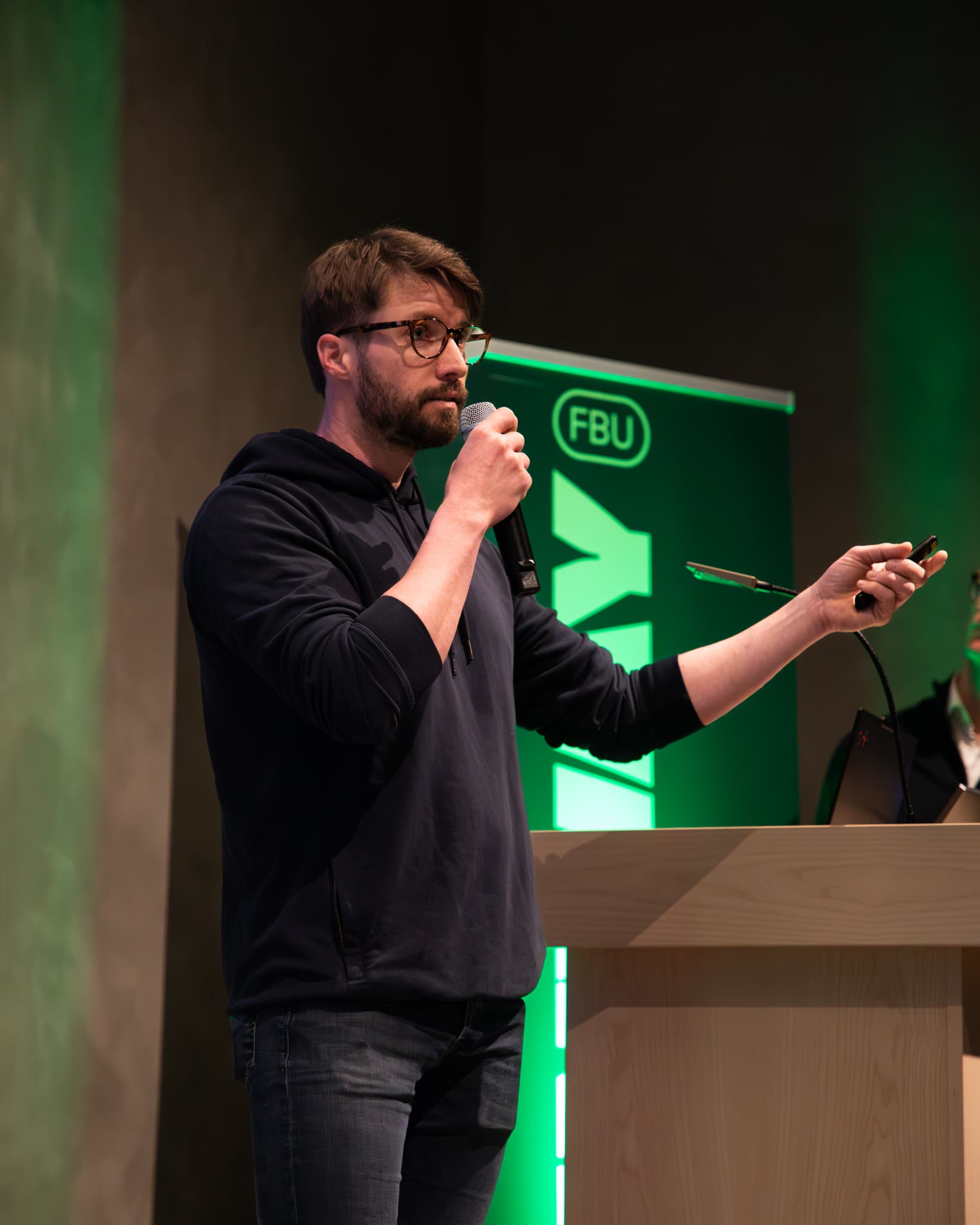
Present to partners and investors. The program ends with a single, sharp question.

A signed pilotA letter of intentAn evidence-based no-go
While you build

A rhythm that keeps teams moving.

Weekly

Lab Clinic

2 to 3h

Founder Standups

45 to 60 min

Biweekly

Partner Review

60 to 90 min

Monthly

Technical Deep Dive

2h

Community and Investor Sessions

1.5 to 2h

Mentors

People who stay in the room.

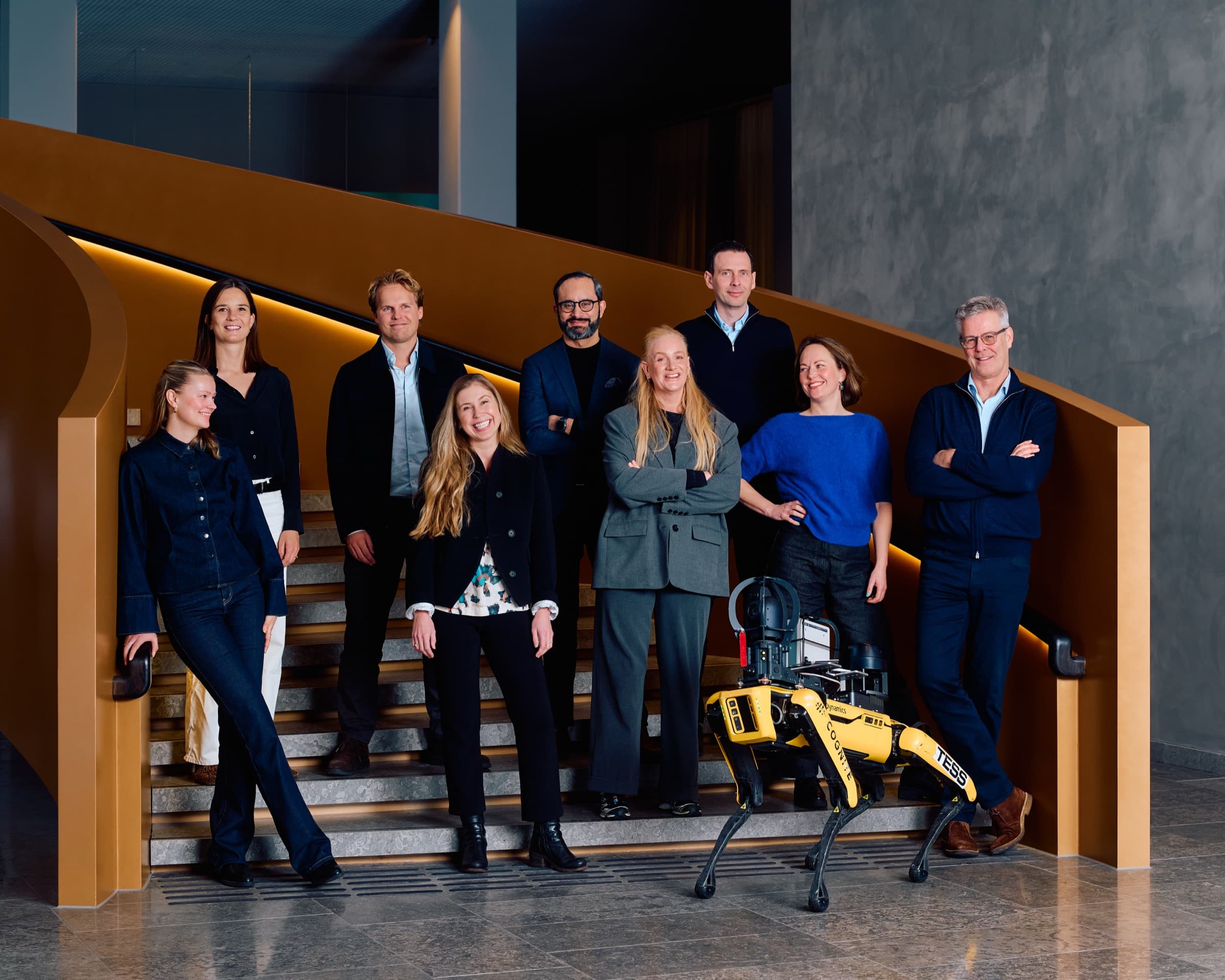
Eight of the people you'll build with — drawn from a wider RunwayFBU network of more than 100 operators, founders and investors across industrial AI, robotics, product and growth.
Joachim Hovland

Joachim Hovland

Head of Drones and Robotics

Aker Solutions
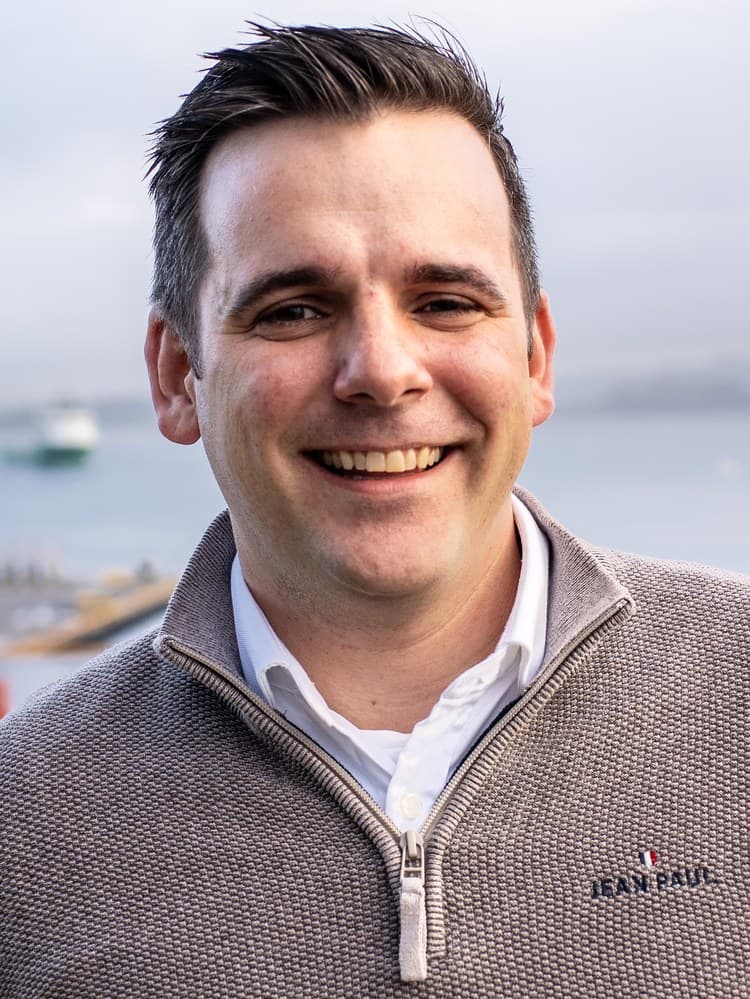
Tyler Olderskog

Tyler Olderskog

Digital and Improvement Manager

NorSea
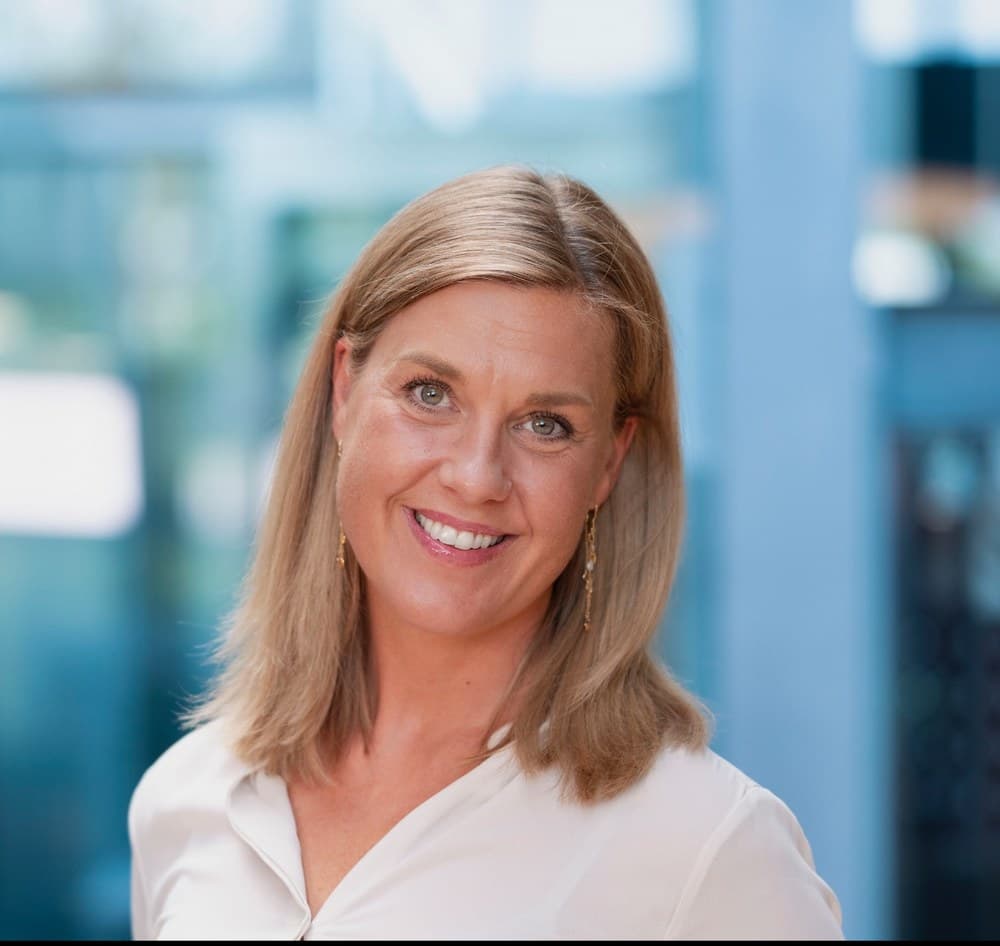
Karine Braaten

Karine Braaten

VP Innovation

Telenor

Dr Tomasz Wiktorski

Dr Tomasz Wiktorski

Principal Technical Program Engineer

Aker BP

Sara Amar

Sara Amar

Chief AI Officer

Aker Solutions
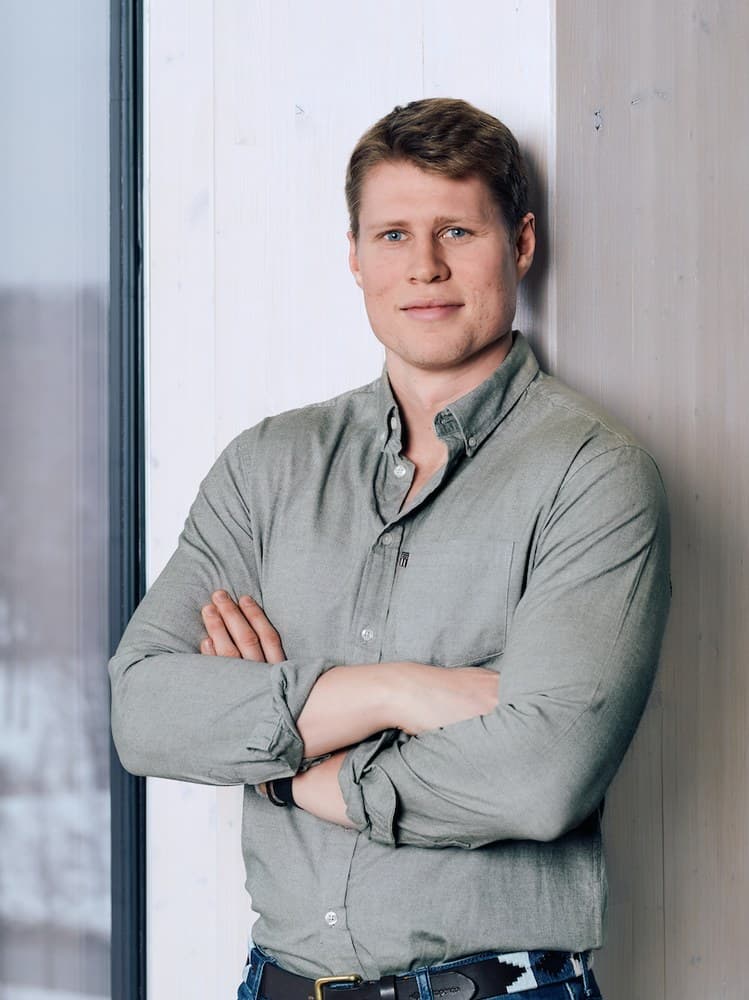
Kristoffer Gjerde

Kristoffer Gjerde

Robotics Strategy Director

Cognite
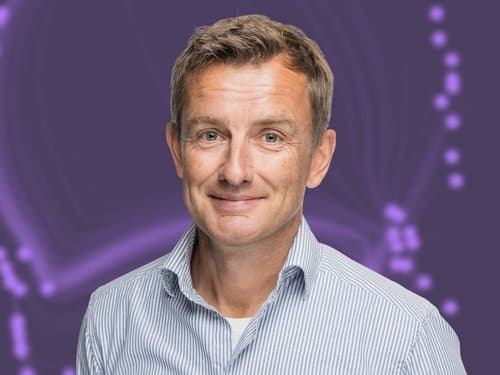
Jo Øvstaas

Jo Øvstaas

Director of Ocean Innovation

Hub Ocean

Karen Czachorowski

Karen Czachorowski

Digital Technology Lead - Strategy and Transformation

Aker BP

RunwayFBU’s mentor network runs 100+ deep — and every team in the Lab gets access to all of it.

Before you apply

Common questions.

01What does it cost?+
The program is sponsored by Innovasjon Norge and RunwayFBU for your team, and includes one desk at the Tech Hub at Aker Tech House where the program runs. Additional team members who want to co-locate can join on a Flex membership at 2 700 NOK / month per person, or a Fixed membership at 4 800 NOK / month per person — see runwayfbu.com/tech-hub for other plans.
02Is this an accelerator?+
No. It is an applied build-and-test program. The purpose is to help strong teams work on real industrial challenges and reach a clear pilot decision. Not generic startup training.
03Is equity taken from builders?+
No automatic equity. RunwayFBU may invest through its VC fund as a separate decision based on fit and merit.
04What stage should we be at?+
Past pure idea stage. A prototype, technical demo, early MVP or clear technical thesis is expected. Pre-revenue is fine. Pre-technical is not.
05Does robotics hardware fit?+
Yes, if there is a realistic path to a bounded pilot within the program. Robotics, drones, sensing, autonomy and edge systems all fit when the industrial use case is clear. Long-horizon hardware R&D without a pilot path does not.
06Does my team need to be based in Norway?+
The core program runs in-person at Aker Tech House, Fornebu. Nordic teams are a natural fit; international teams are considered case-by-case with a clear presence plan.
07How much time does this require?+
At least one technical lead should be available 20+ hours per week during the core build phase. Teams that treat the program as a side project do not reach pilots.
08What outcomes can teams expect?+
One of three: a pilot agreement, a letter of intent, or an evidence-based no-go. A clear no-go is worth more than an open-ended maybe.
09What do industry partners contribute?+
Industry partners bring 2 to 4 high-value challenges, a named challenge owner, access to relevant data or site context, and willingness to make a real pilot decision when results are strong.
Ready to build?

Build what works in the physical world.

For builders who want access, pressure, and a real path to pilot. No equity taken. For industry partners who have real challenges and want real progress.

Aker Tech House, Fornebu  ·  Cohort 1 starts June 2026

Supported by
Innovasjon Norge
RunwayFBU AI and Robotics Lab for Industry | RunwayFBU