Tech Arena in Stockholm was a strong reminder of something important. Industrial tech isn’t quietly building in the background anymore. It’s front and center. The conversations were sharper, the stakes felt higher, and the ambition bigger.
Stockholm felt like the place to be for a few days.
Now back in Oslo, a few patterns from those conversations are sticking with us.
Here’s our honest take on where industrial tech is heading into 2026.
Moats aren’t built in pitch decks
Founders often ask where defensibility really comes from. Is it IP. Is it data. Is it tech.
Most of the time, the answer is incorporating these three into core systems and processes: deep integration.
If your product is easy to remove, it will be removed. If it’s designed into workflows, systems, safety cases or physical infrastructure, switching becomes painful. That pain is the moat.
Real-time, proprietary data actuates these integrations and strengthens the moat. Public data doesn’t. IP helps only when it’s truly novel. It rarely stops a motivated competitor on its own.
We’re also seeing two moats matter more than before:
Regulation. Our portfolio company Sonair is a good example. Being first through safety certification creates real switching costs once robotics companies design you in.
Network effects and interoperability. Highlighting our own Wsense with underwater sensors, or OTee building open architectures that replace vendor lock-in. Once others build on your protocol or platform, value compounds.
The strongest companies usually combine several of these, not just one.
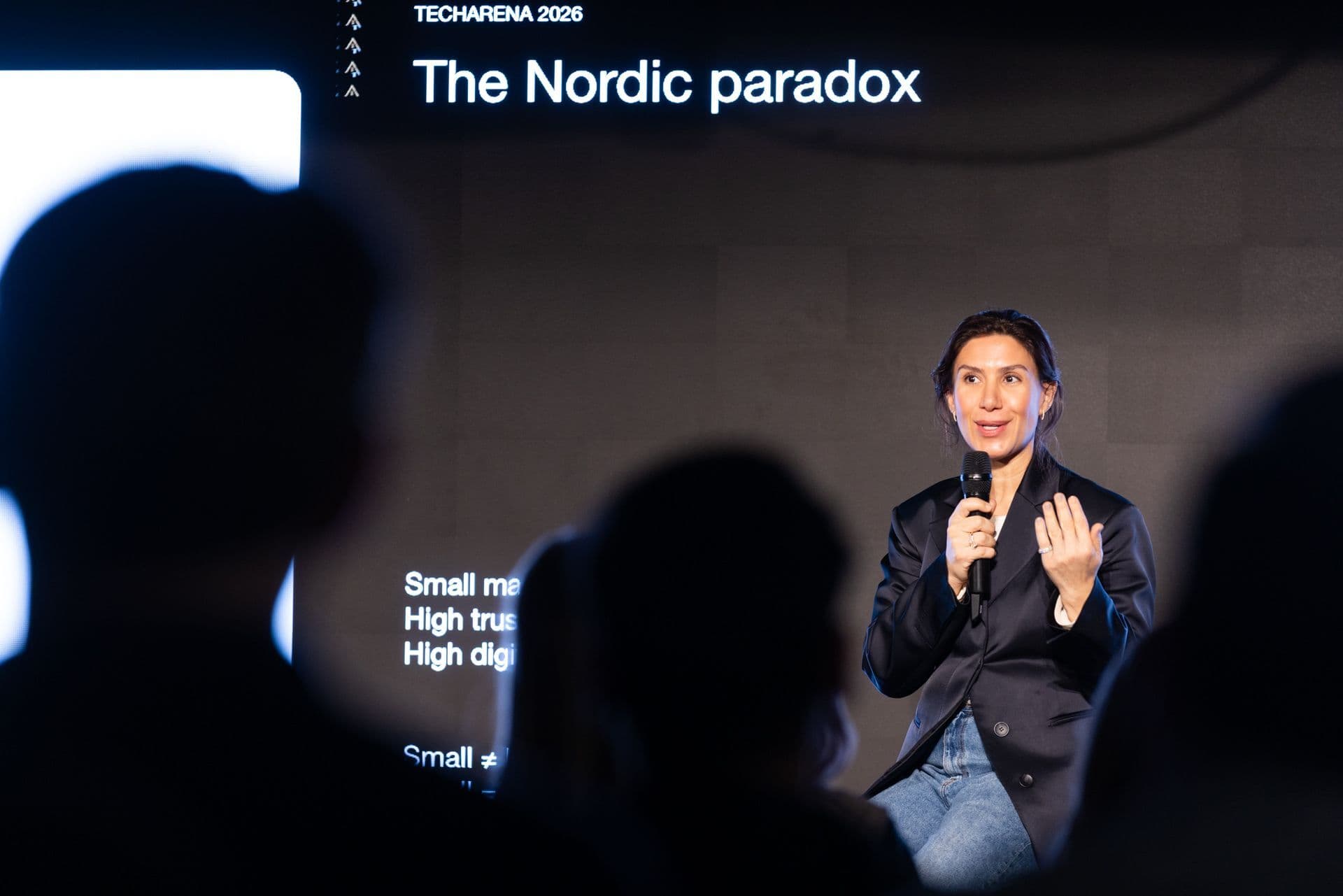
From pilot to production is still the hardest jump
Most industrial startups can get a pilot. Far fewer become trusted production partners.
What makes the difference is rarely the tech alone.
References matter. Especially strong ones. A known logo that signals “someone else took the risk first” still carries a lot of weight.
But scaling also requires understanding how industrial buying actually works. It’s not one champion. It’s multiple departments. Security, IT, operations, procurement, leadership. Everyone needs to see how the solution improves KPIs and reduces risk.
Lean founding teams often struggle here. When buy-in reaches C-level, things move faster. We’ve seen this with companies like OTee working closely with Aker BP, or Wsense with large industrial players like Fincantieri and Saipem.
Transparency and explainability also matter more than ever. Black boxes slow trust.
Where adoption is really accelerating
There’s no single sector that’s “ready.” Everyone has their biases. We do too.
But adoption tends to move fastest where pressure is real:
- Labor is scarce or expensive, like construction
- Margins are tight, like food and beverage
- Capital is locked up or inputs are constrained, like energy and supply chains
Another big driver is dual-use and sovereignty. Technologies tied to national security, critical infrastructure, or reduced dependence on foreign suppliers are seeing structural tailwinds. That doesn’t go away with an election cycle.
Add a generational shift and tougher EU regulation, and it’s not hard to see why robotics, automation, manufacturing, supply chain and compliance-driven tech are heating up.
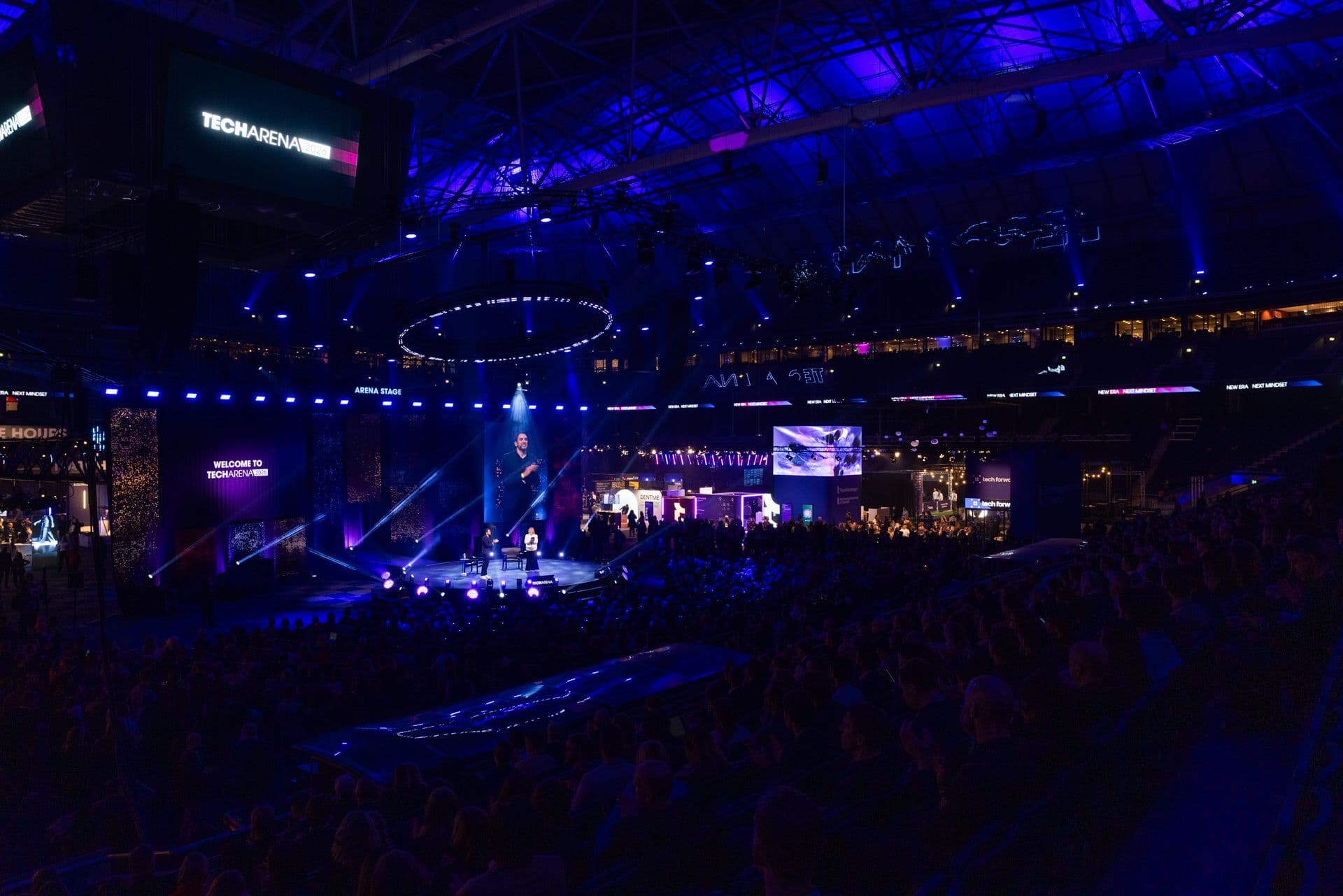
The big bet: industrial autonomy
If we had to place one bold early-stage bet right now, it would be on industrial autonomy.
Not more dashboards. Not better insights alone. But systems that actually act.
That means enabling the full industrial stack:
- Connectivity and interoperability at the bottom
- Data ingestion, control and evaluation in the middle
- Action and value creation at the top
Our portfolio companies like Sonair, Wsense, Muybridge and OTee are interesting to us because they enable this shift, each in their own layer.
This way of thinking sits at the core of our investment thesis going forward. Industry doesn’t need more information. It needs systems that can decide and move.

Back from Stockholm
Back in Oslo, one thing feels clear: industrial tech isn’t warming up. It’s shifting into a higher gear.
The urgency we felt in Stockholm isn’t temporary. It’s structural.
That’s our take coming out of Tech Arena. Where do you think industrial tech is heading next?
If you feel like nerding out on this, you know where to find us. It’s kind of our thing.