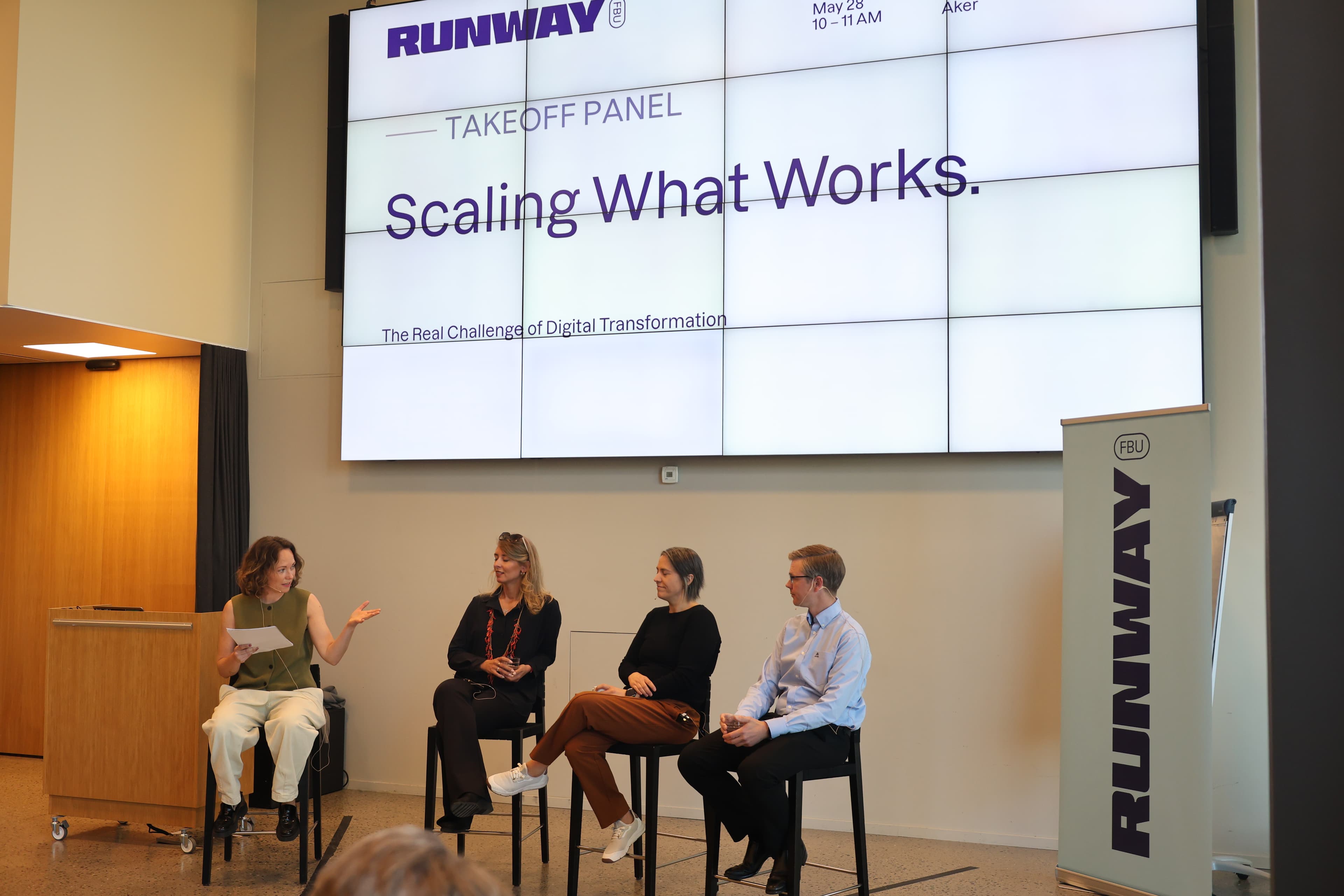
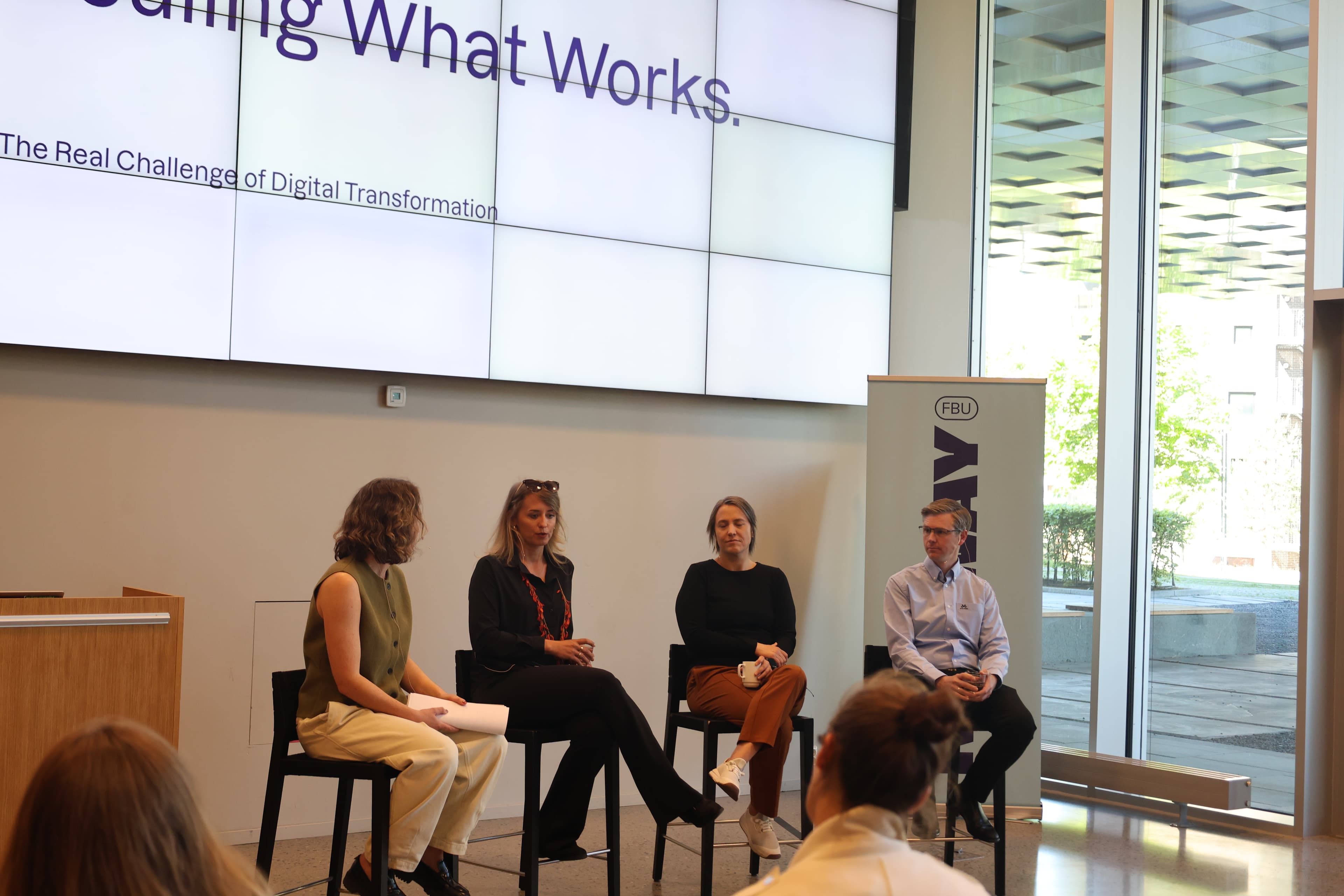
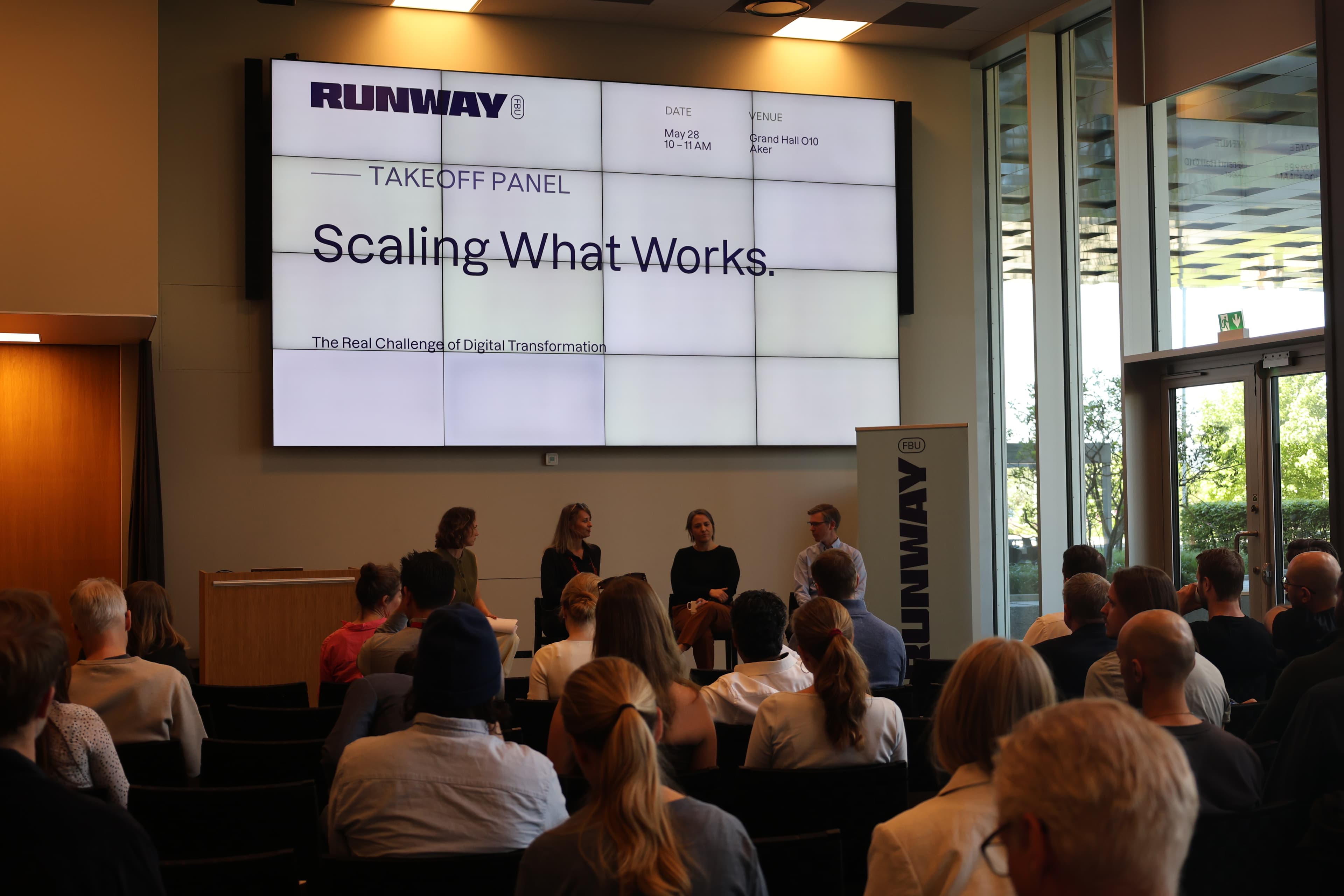
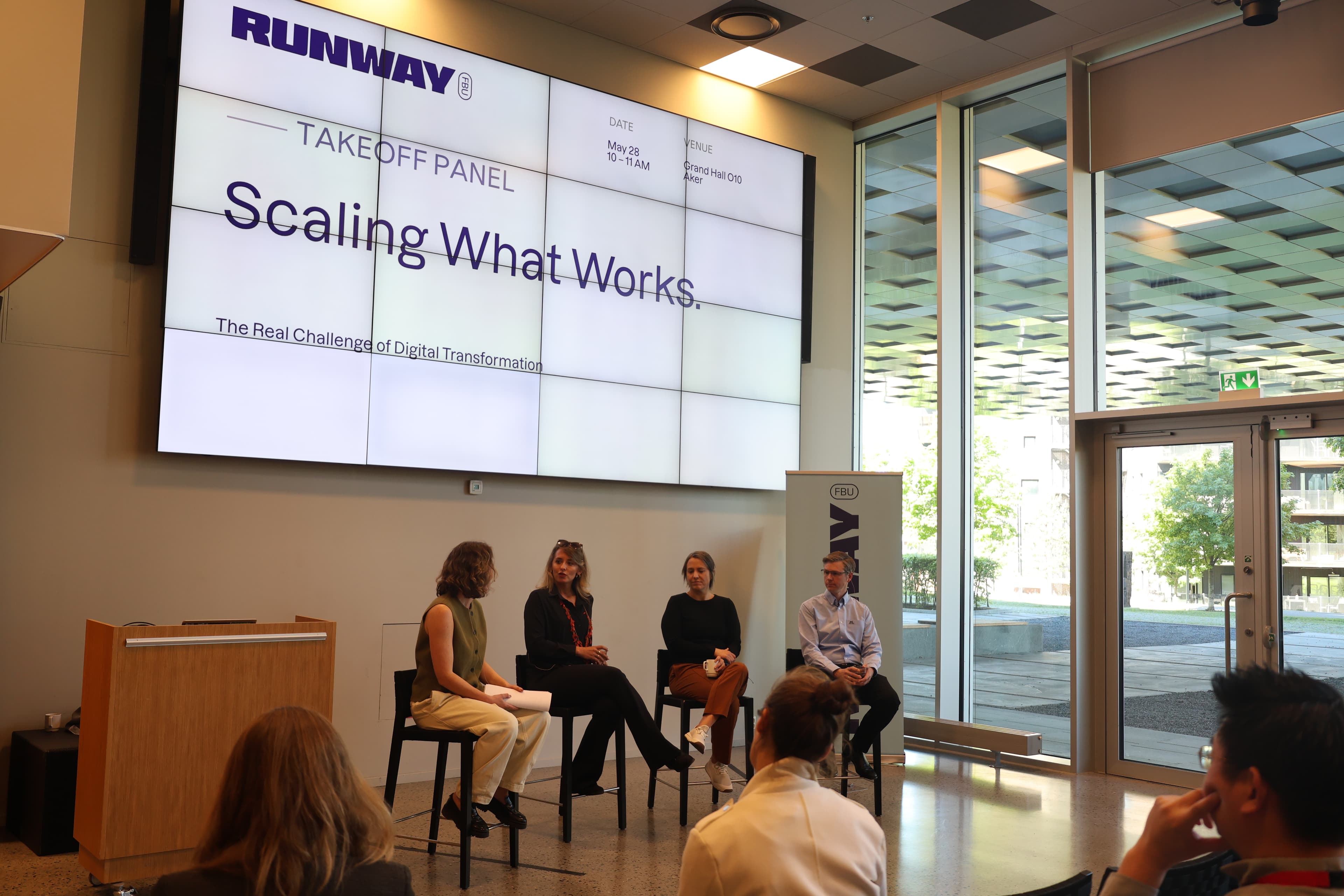
That was the starting point for our latest Takeoff panel, hosted by our own Head of Community Maria Katarina T. Michelsen, where we brought together three people working at the frontlines of industrial transformation every single day:
- Karen Czachorowski, Digital Technology Lead Transformation & Transformation, PhD at Aker BP
- Aleksandra Knödlseder, Senior Principal Maintenance Specialist at Cognite
- Eyvind Haaland, IT Director at Aker QRILL Company
The topic is on the lips of every large company right now:
What actually works when scaling digital and AI initiatives inside large organizations? And where do things typically break?
The conversation quickly made one thing clear: the biggest bottleneck is no longer the technology. It is everything around it.
Why do so many AI initiatives stall?
One of the strongest themes throughout the panel was that most large organizations are no longer struggling to access technology. The tools are improving rapidly, infrastructure is stronger, and AI capabilities are evolving almost daily.
And yet, many initiatives still struggle to move beyond pilot phase. Why?
Because building something that technically works is only the beginning. The real challenge starts when that solution has to be adopted by actual teams, integrated into existing workflows, and trusted in day-to-day operations.
That is where things often slow down.
Not because the model is bad, but because organizations are complex systems made up of people, processes and incentives. Transformation requires all three to move together.
What breaks when you try to scale?
A major theme in the discussion was that things rarely break inside individual teams. More often, they break at the boundaries between teams.
Between IT and operations. Between leadership ambition and operational reality. Between strategy and execution.
This is where data foundations and interoperability become critical.
It is incredibly difficult to scale AI on top of fragmented systems and siloed data. If systems cannot communicate, teams often cannot either. And if data is inconsistent, AI tends to amplify those inconsistencies rather than solve them.
That is why strong foundations still matter more than flashy demos, the panel agreed.
What does agentic AI change?
The panel also explored the rise of agentic AI, systems that do more than assist and increasingly start acting.
That opens up exciting possibilities, but also raises new questions.
How much autonomy are organizations comfortable giving these systems? Where should humans remain in the loop?
And who carries accountability when AI moves from recommendation to action?
These questions are especially relevant in industrial environments, where safety, reliability and trust are non-negotiable.
The consensus was not that humans become less important. Quite the opposite. As AI systems become more capable, human judgment, domain expertise and oversight become even more valuable.
Can AI help people do more meaningful work?
The panel pushed back on the simplistic narrative that automation is mainly about replacing humans. A more realistic framing is that AI can remove repetitive, low-value work and free people to focus on higher-value tasks.
That could mean more time spent on creative problem-solving, better strategic decisions, stronger collaboration and deeper use of domain expertise.
But that shift does not happen automatically.
Organizations need to actively redesign roles and workflows around these new capabilities. Otherwise, AI simply becomes another layer of complexity added on top of the old system.
So what does scaling what works actually require?
By the end of the panel, a few themes stood out:
Successful transformation requires strong data foundations, cross-functional collaboration and leadership willing to drive real change. But perhaps most importantly, it requires accepting a simple truth:
Digital transformation is rarely about technology alone. It is about whether people, systems and incentives are aligned well enough to create real change.
--
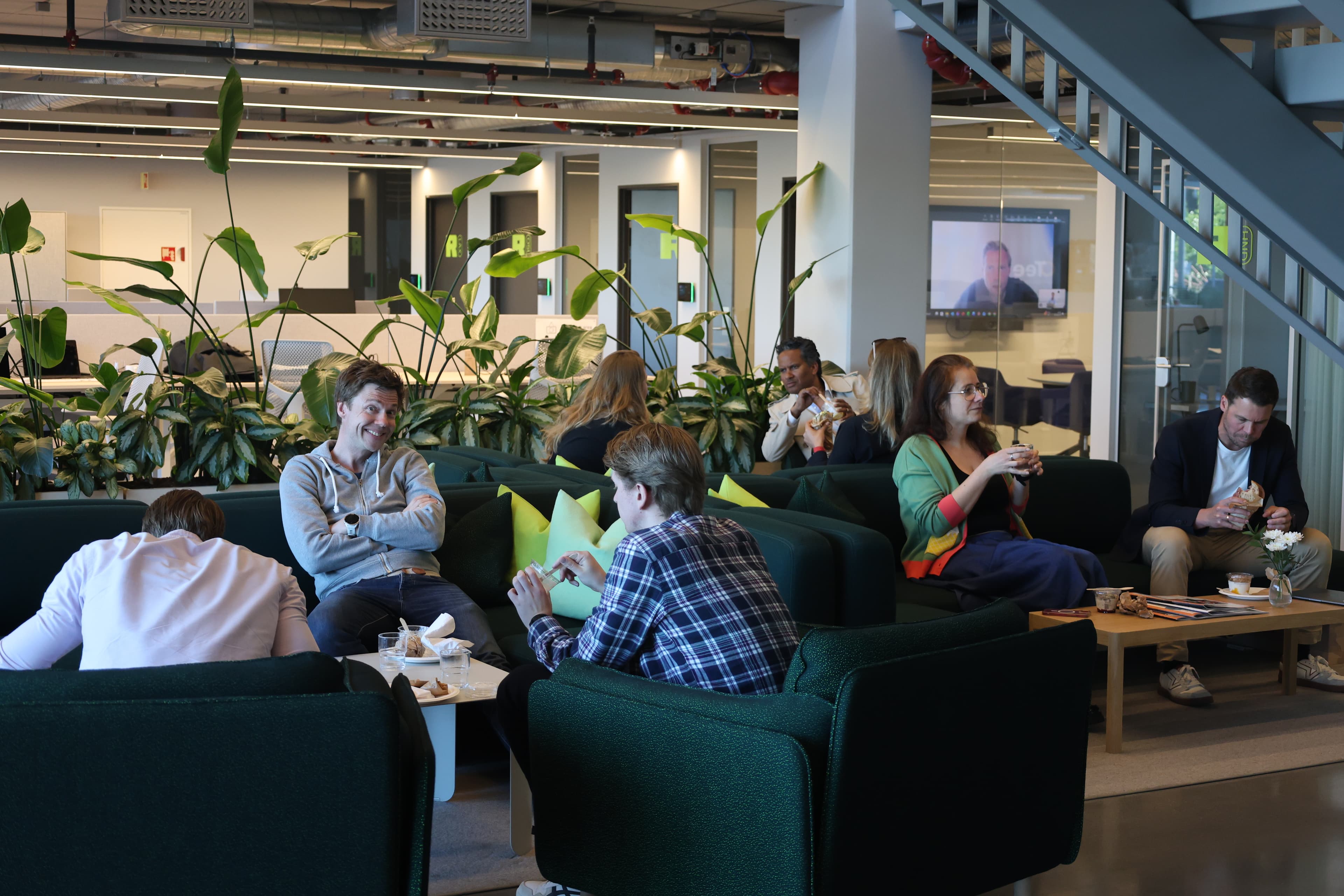
As always on Takeoff, the conversation did not stop when the panel ended.
We continued in our Tech Hub at Aker Tech House, where the discussion carried on over sandwiches, coffee and buns.
Want to join the next one?
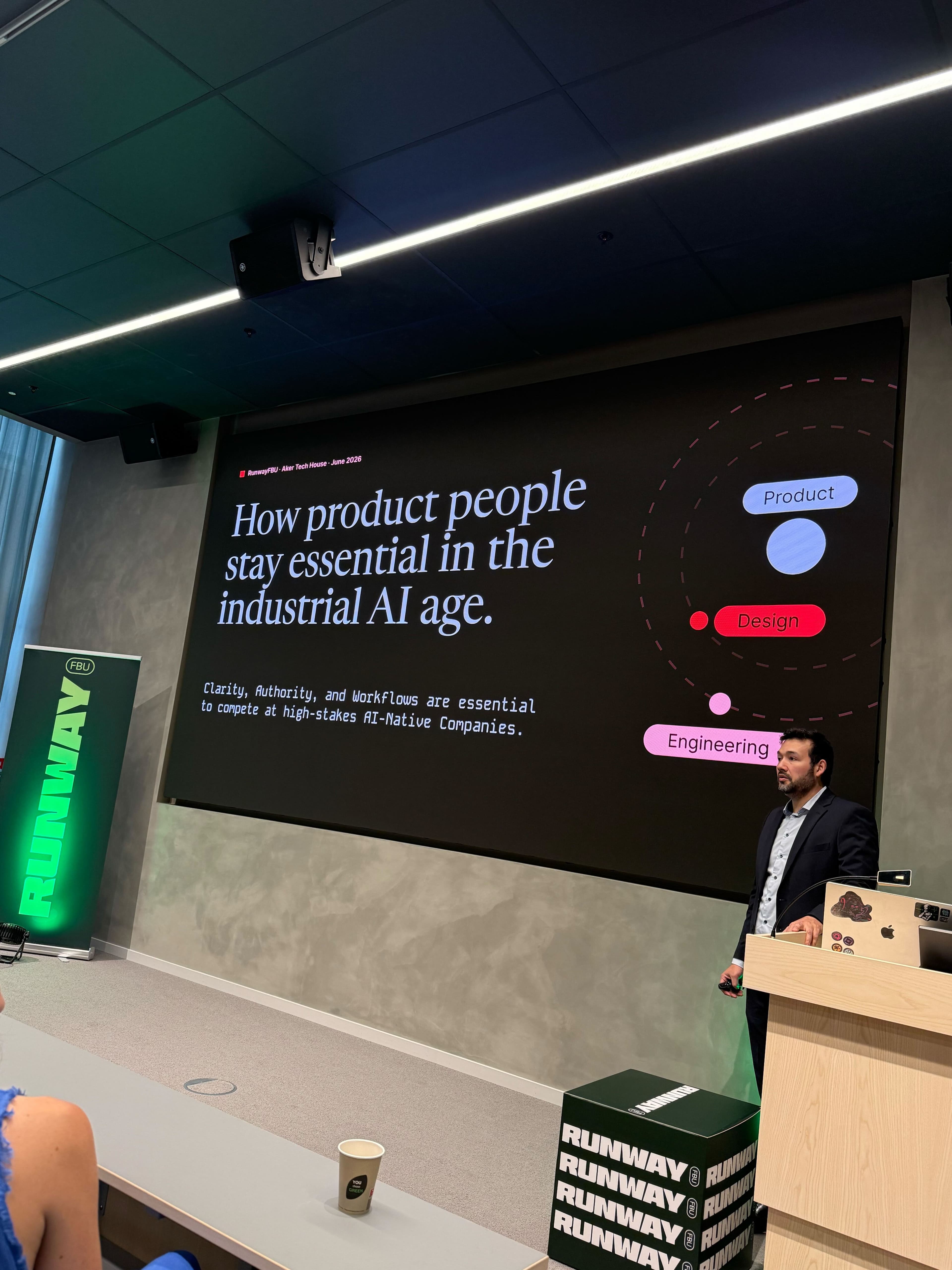
Our next Takeoff is already around the corner, featuring Daniel Arevalo from Omny on How Product People Stay Essential in the Industrial AI Age: A conversation on how AI is reshaping the classic PM, designer and developer roles, and why human judgment may become more valuable, not less.
Read more and sign up here: https://luma.com/runwayfbu-knj3?tk=5khjiy. Hope to see you there.
Hugs from the human in the loop,
The RunwayFBU team!